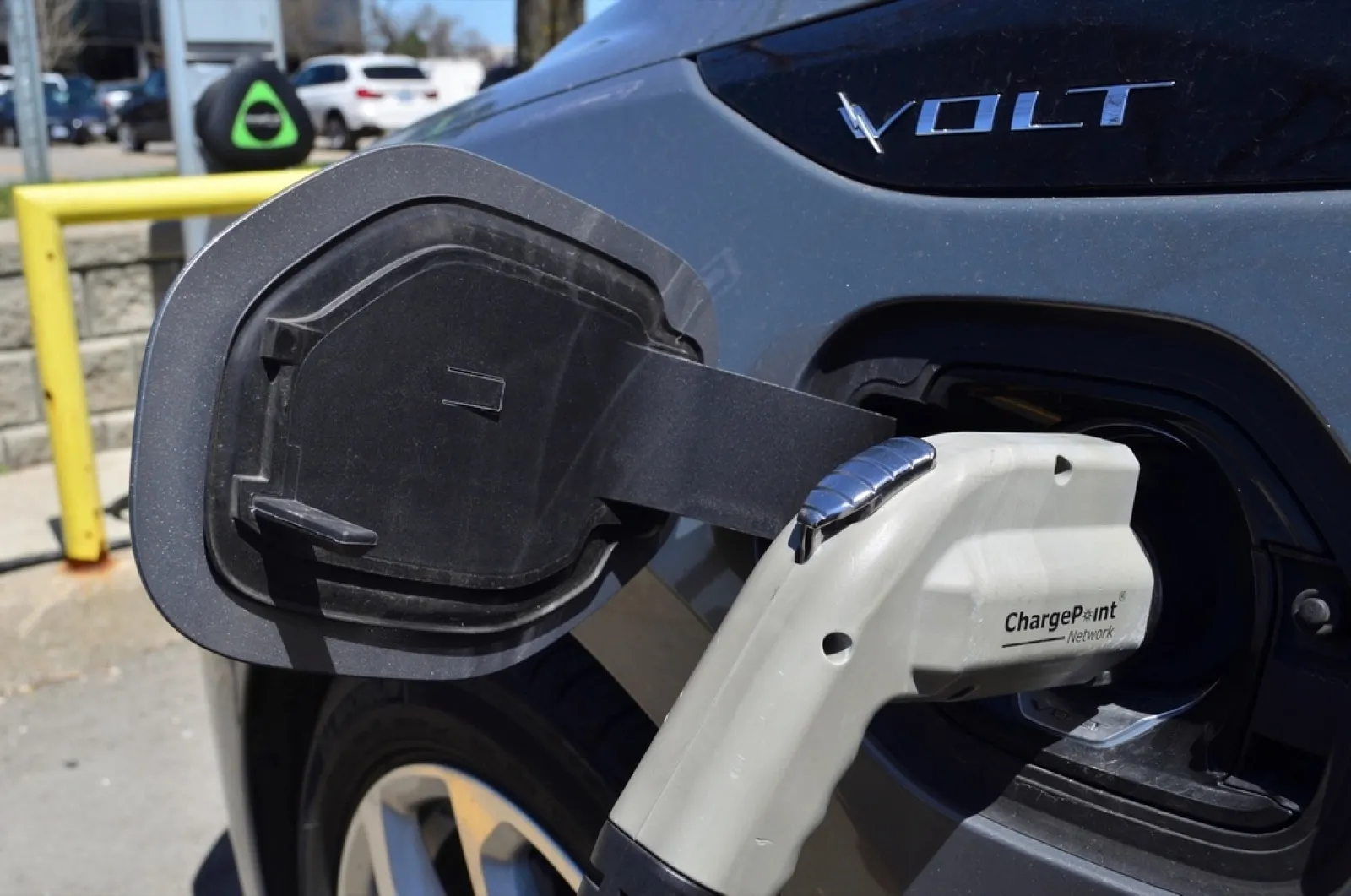
Germany’s shift toward electric vehicles is reducing government income from fuel taxes, according to DW, creating pressure to find other ways to finance roads and transport infrastructure.
The issue reflects a basic change in how motorists power their vehicles. Taxes collected through petrol and diesel sales depend on purchases of those fuels. When drivers move to fully electric cars, their energy use shifts to electricity, while their use of the road network continues.
That creates a distinction between the environmental reasons for changing vehicle technology and the fiscal arrangements built around older technology. A transport system can become less dependent on oil while also weakening a revenue stream that governments have relied on.
DW reports that rising EV sales are making the funding question more pressing in Germany. The development concerns the structure of public revenue, rather than simply the success or failure of individual car manufacturers.
Road infrastructure involves continuing costs, including maintenance and renewal. Those requirements do not disappear when the mix of vehicles changes, so a decline in one source of tax income raises questions about where future funding should come from and how costs should be distributed.
No single replacement follows automatically from that change. Decisions about transport finance involve balancing public budgets with the costs faced by road users and the broader objectives of transport policy. Germany’s experience illustrates a challenge accompanying electrification: governments must adapt the way they collect revenue as the technologies that generated it become less dominant.