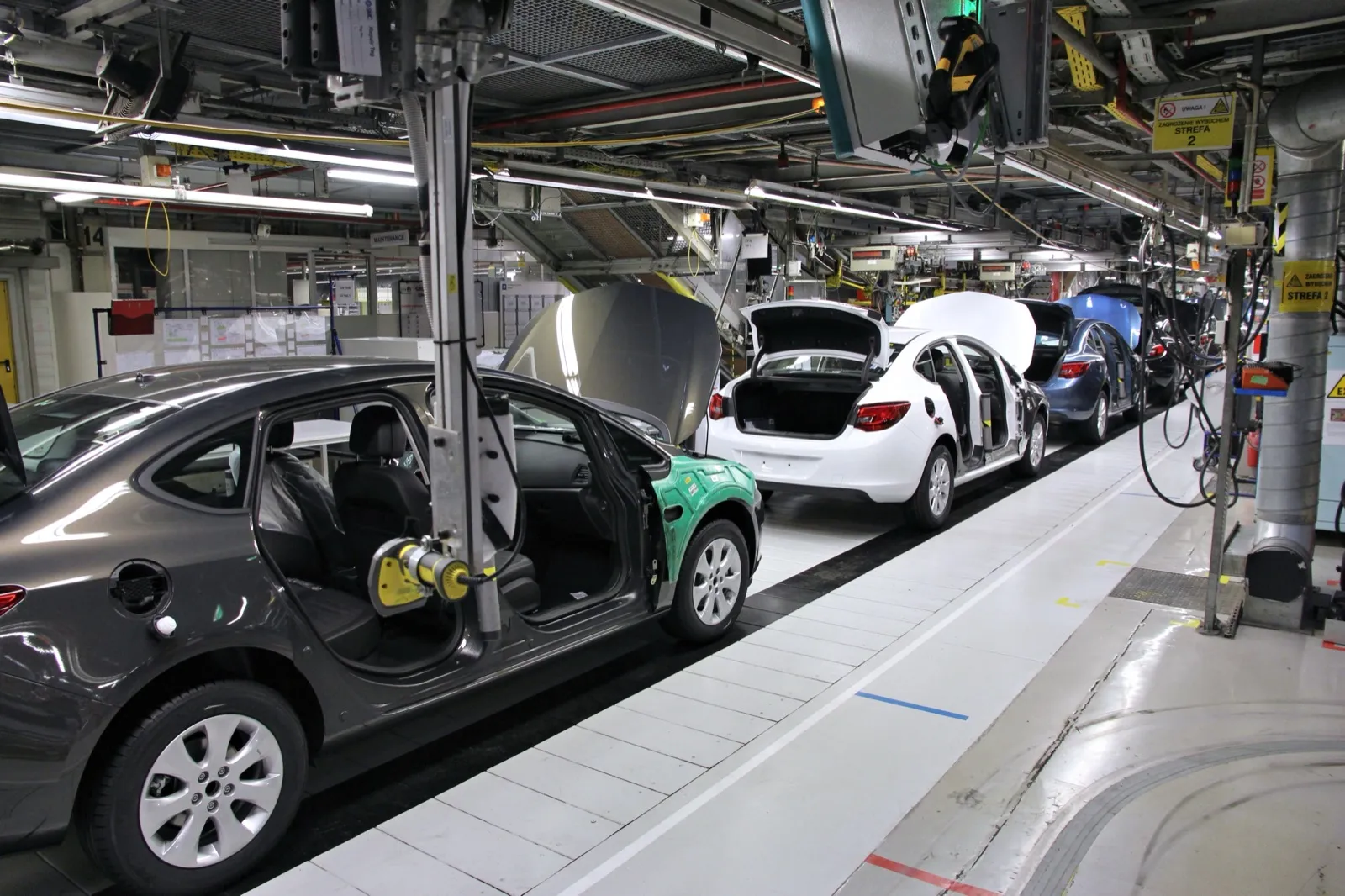
A proposal from German carmakers would lengthen the working week from 35 hours to 40 while keeping pay unchanged, according to DW. Unions are strongly opposed, arguing that the proposal undermines workers’ rights.
Employers present the change as a way to improve competitiveness. Their argument links the amount of work performed under existing pay arrangements to the costs of production, placing working time at the centre of a wider industrial debate.
For employees, the same proposal has a different practical meaning: more time at work for the same pay. That makes the dispute about both compensation and the value attached to time outside the workplace.
Working hours are an important part of collective bargaining, alongside wages and other conditions. A negotiated schedule determines more than when a shift begins or ends; it also shapes how employees organise family responsibilities and how companies plan production.
Longer hours do not, by themselves, settle every question about an industry’s competitiveness. Productivity, investment, energy costs and demand also affect the economics of manufacturing. The reported proposal focuses on one part of that wider picture, and its benefits remain an argument advanced by the carmakers.
The unions’ opposition shows why changing an established working week can be contentious even when employers describe it as an economic necessity. The immediate issue is whether staff should provide additional hours without additional compensation. DW’s report describes a contested proposal, with no basis for treating the longer week as an agreed new standard.