Texas has become the largest US producer of electricity from solar farms, according to the BBC, giving a state long associated with oil a leading position in another part of the energy industry.
The distinction concerns electricity generated by solar farms. It should not be confused with a ranking of all electricity production, or with a claim that solar power supplies most of the state’s energy needs. Different measures describe different parts of an energy system.
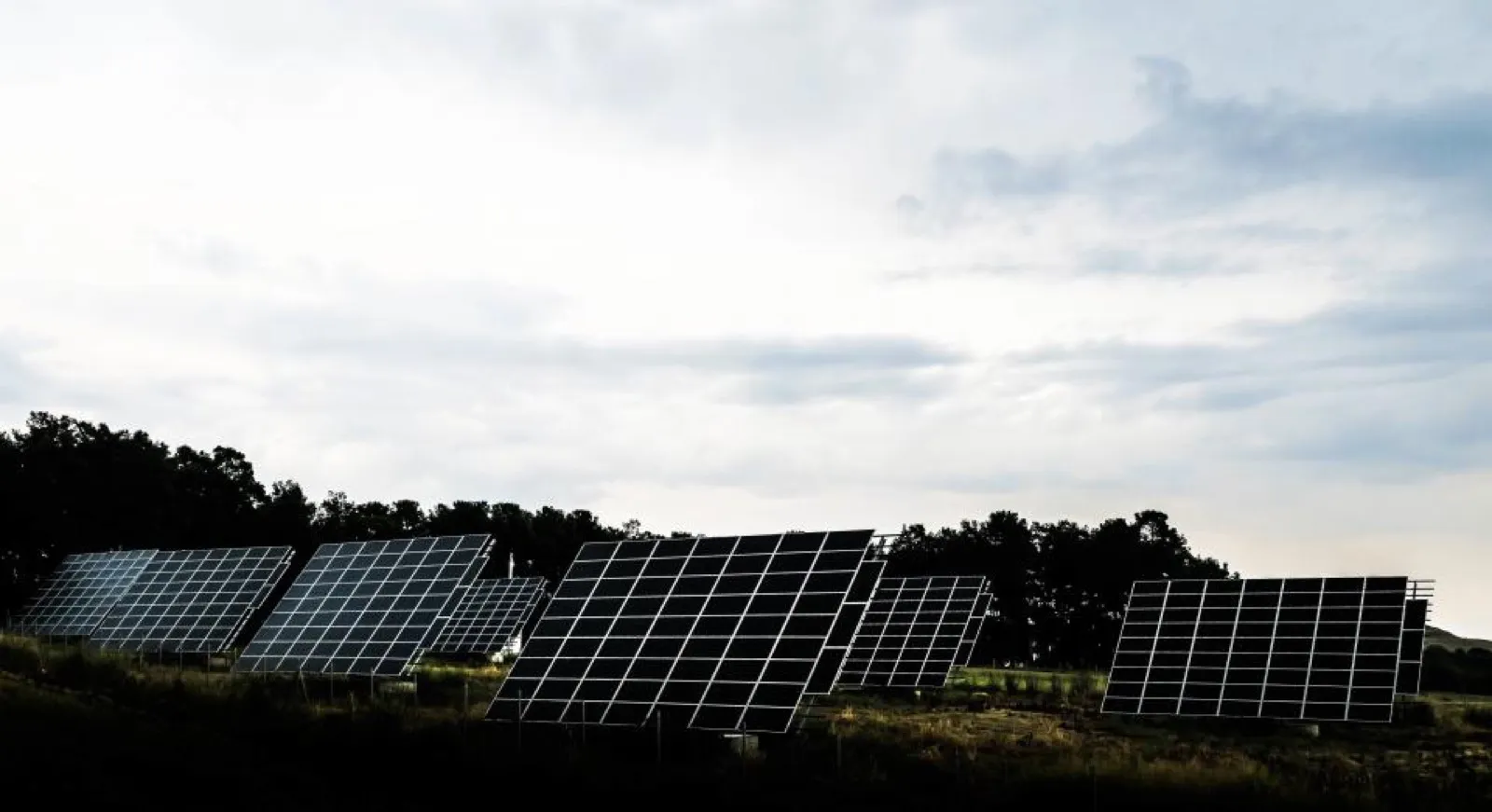
Solar farms use groups of photovoltaic panels to convert sunlight into electricity. Their output depends on available sunlight, which makes their operating pattern different from that of power stations whose fuel can be burned when required.
Texas’s position illustrates how established energy-producing regions can also become important centres for newer forms of generation. An economy associated with fossil fuels can develop a substantial renewable industry without all its other energy activities disappearing.
For the electricity sector, adding solar generation involves more than installing panels. Power has to reach users through a network, and supply must be balanced with demand over the course of the day. Those are common features of integrating solar power into any electricity system.
The BBC’s report marks a change in the geography of American solar production as well as in Texas’s energy profile. Its central finding is the state’s lead in output from solar farms, a development that broadens the picture of where renewable electricity is being produced in the United States.