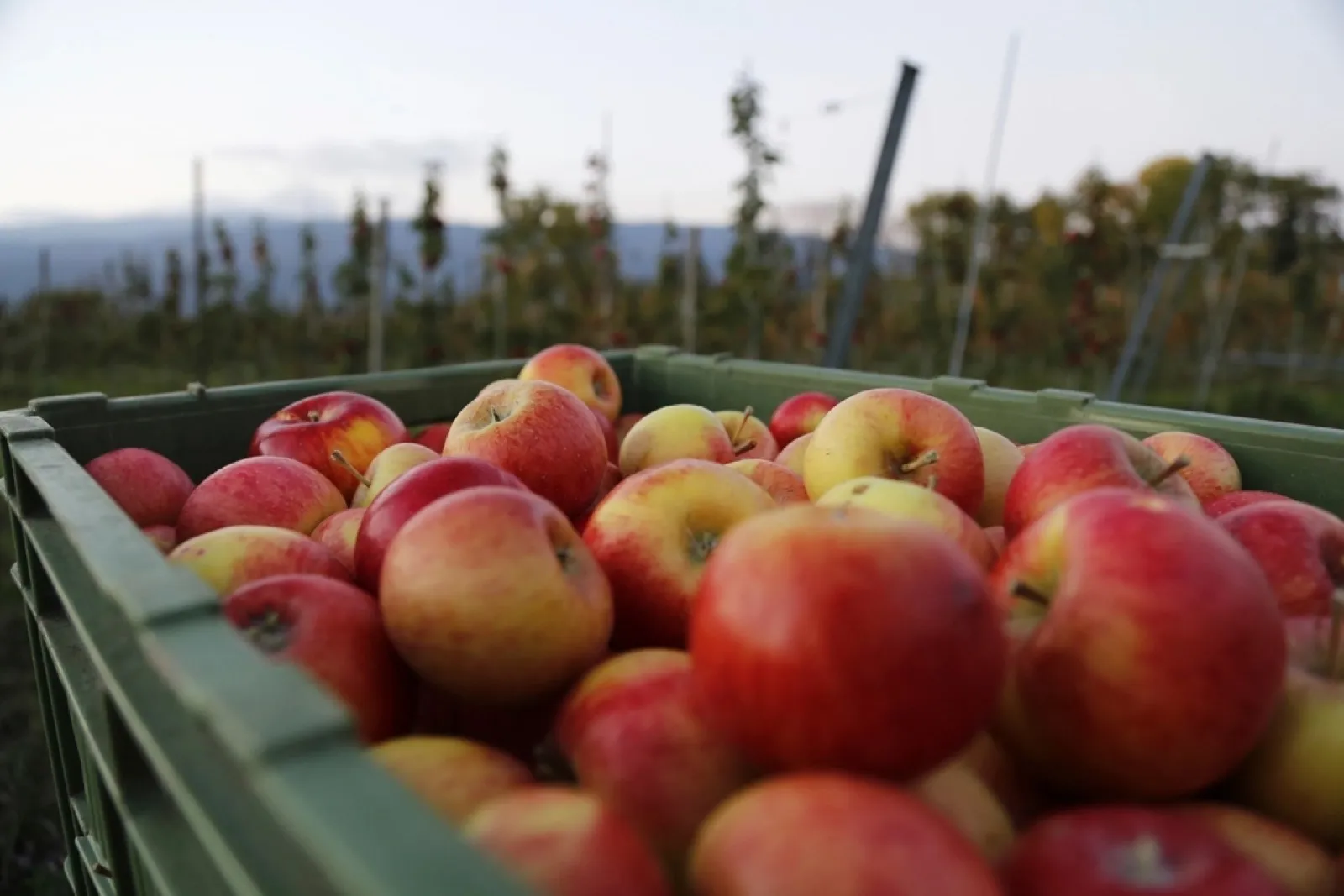
Artificial intelligence tools are being explored as a way to help farmers decide when to harvest fruit, according to the BBC. The technology brings automated assessment to a decision traditionally shaped by growers’ experience and close observation of their crops.
Timing matters because fruit changes as it ripens. Harvesting decisions can influence the condition of produce when it reaches a buyer, while the work itself has to fit around practical considerations such as labour and weather.
An AI system can be designed to identify patterns in information and use them to support a judgement. Applying that approach to farming raises a familiar question for users of decision-support technology: whether its assessments are useful under the conditions in which people actually work.
Orchards and other growing environments are not identical. Crop varieties, local conditions and the intended use of the fruit can affect what counts as a suitable picking time. An assessment that helps in one setting therefore needs to be understood in the context of another.
The BBC frames adoption as an open question, asking whether growers will want such tools or continue relying on their own judgement. It does not establish that automated advice is universally more accurate, or that using it guarantees a better harvest.
The practical issue is how information becomes a decision. A recommendation has to be useful to the person organising the picking, not merely technically interesting. That makes trust and relevance to day-to-day farming central to the prospects for AI in this part of agriculture.