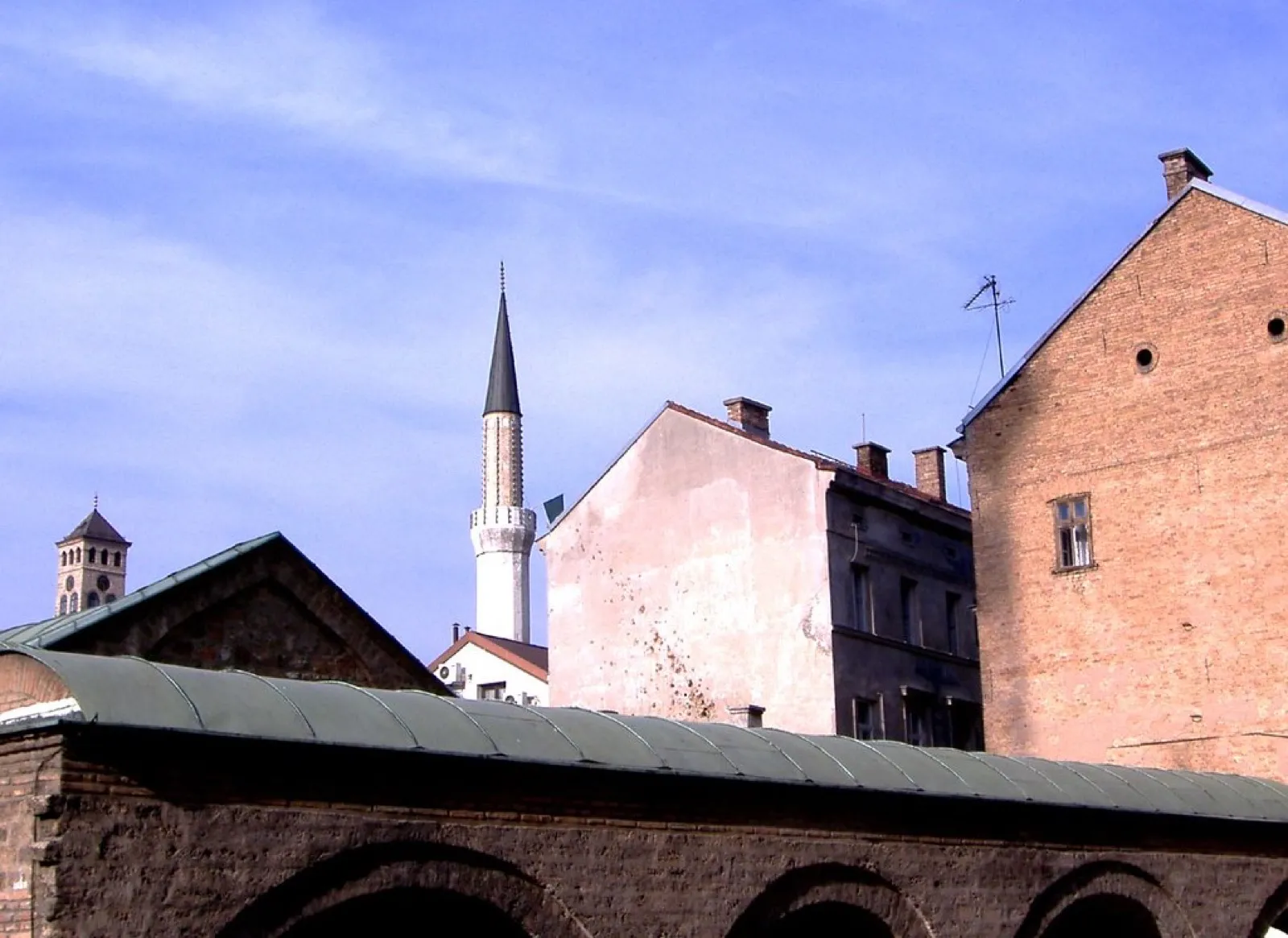
More than three decades after the Bosnian war, the institutions created in its aftermath continue to shape Bosnia and Herzegovina’s political choices, according to DW. The country’s European ambitions sit alongside enduring ethnic divisions and a particularly complex system of government.
That combination makes the structure of the state central to understanding its politics. Questions about public administration and European integration are closely connected to a settlement designed to accommodate communities emerging from conflict.
The postwar framework established arrangements for sharing power among Bosnia’s main ethnic groups. Such arrangements can provide representation for different communities, while also requiring agreement across several political institutions before decisions can move forward.
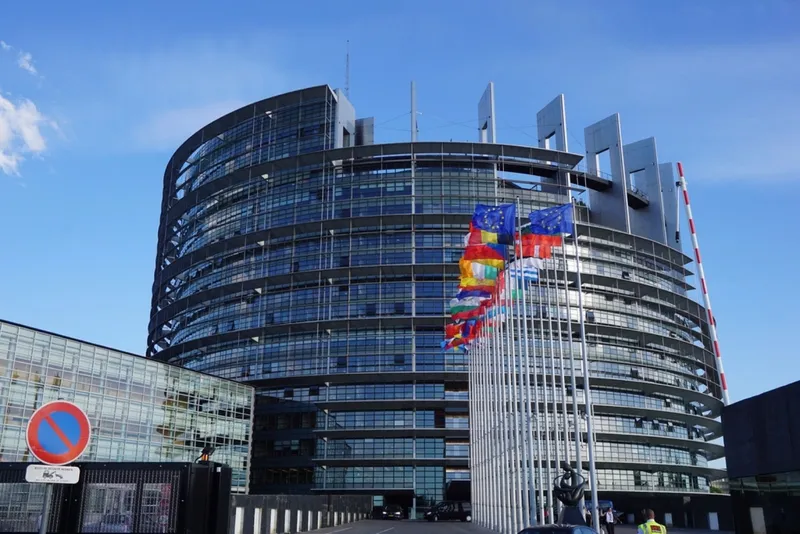
European integration brings a different set of demands into that system. Joining the European Union involves more than a declaration of political intent: candidate countries are expected to align institutions and practices with common European requirements. Public administration and the functioning of democratic institutions form part of that broader process.
DW’s account places ethnic divisions, administrative complexity and the European project at the centre of the country’s present political reality. These are overlapping issues rather than separate debates, because institutional decisions affect how reforms can be agreed and carried out.
The persistence of the postwar system also gives Bosnia’s situation significance beyond its borders. It illustrates the long life of peace settlements and the difficulty of adapting institutions created to end a war to the demands of ordinary government and international integration.