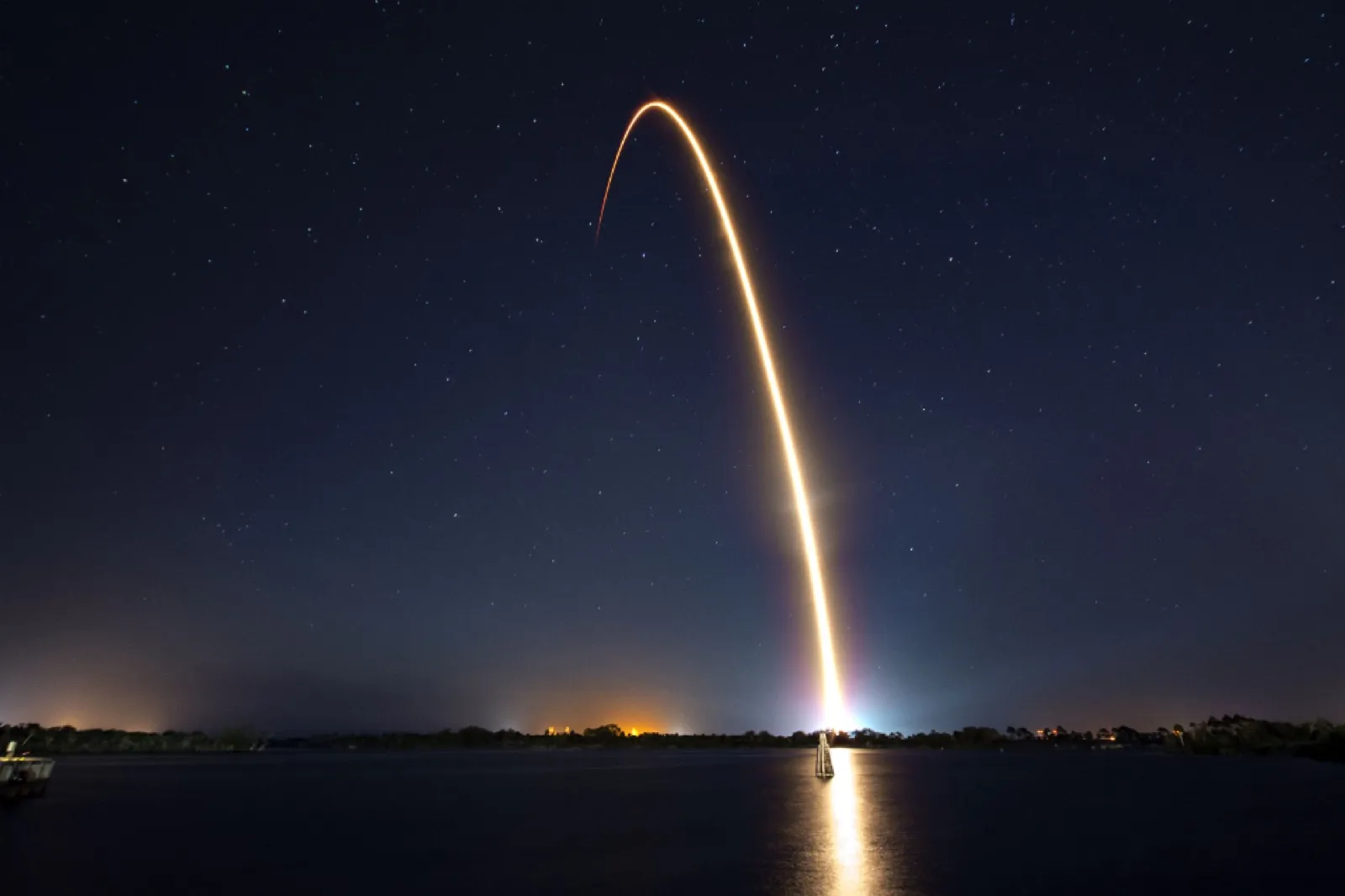
A SpaceX Falcon 9 rocket has launched from Cape Canaveral carrying four people toward the International Space Station, according to the BBC. The crew comprises two Americans, a Russian and a Canadian.
They are due to spend up to six months aboard the station. The planned duration makes the flight the start of an extended period in orbit rather than a brief visit, with daily life and work taking place in a confined environment far above Earth.
The ISS is a long-running international space project and an orbiting laboratory. Its role brings together scientific work and the practical demands of maintaining a place where people can live in microgravity.
Extended missions allow crews to take part in station activities over time. They also require the routine systems of an inhabited spacecraft to keep operating, from air and water provision to communications with the ground.
The composition of this crew reflects the international character of human spaceflight to the station. Different national backgrounds are represented within a single mission, sharing the same destination and the operational demands of living aboard it.
The BBC’s report establishes the launch and the intended length of the stay. Launching toward a destination and arriving there are separate stages, so the account does not by itself confirm docking or the start of work inside the station. The immediate milestone is the successful departure from Cape Canaveral, beginning a journey intended to lead to months aboard the ISS.