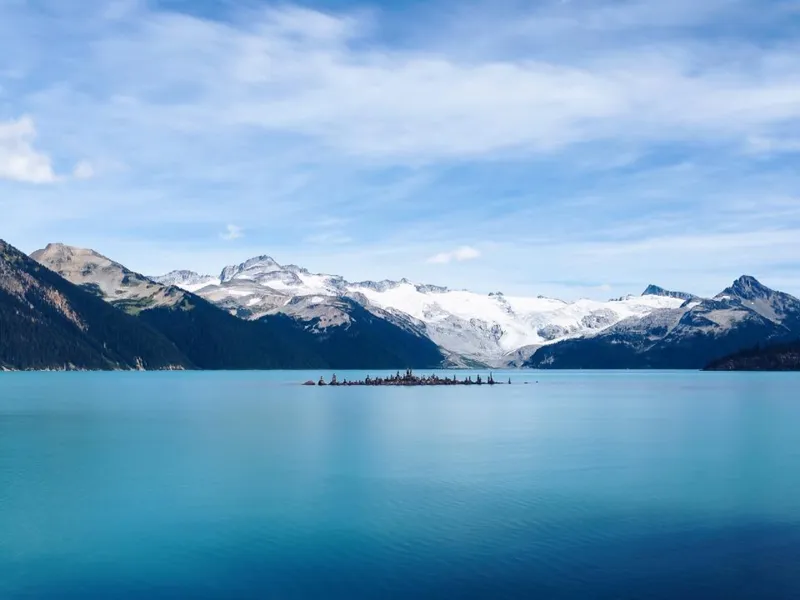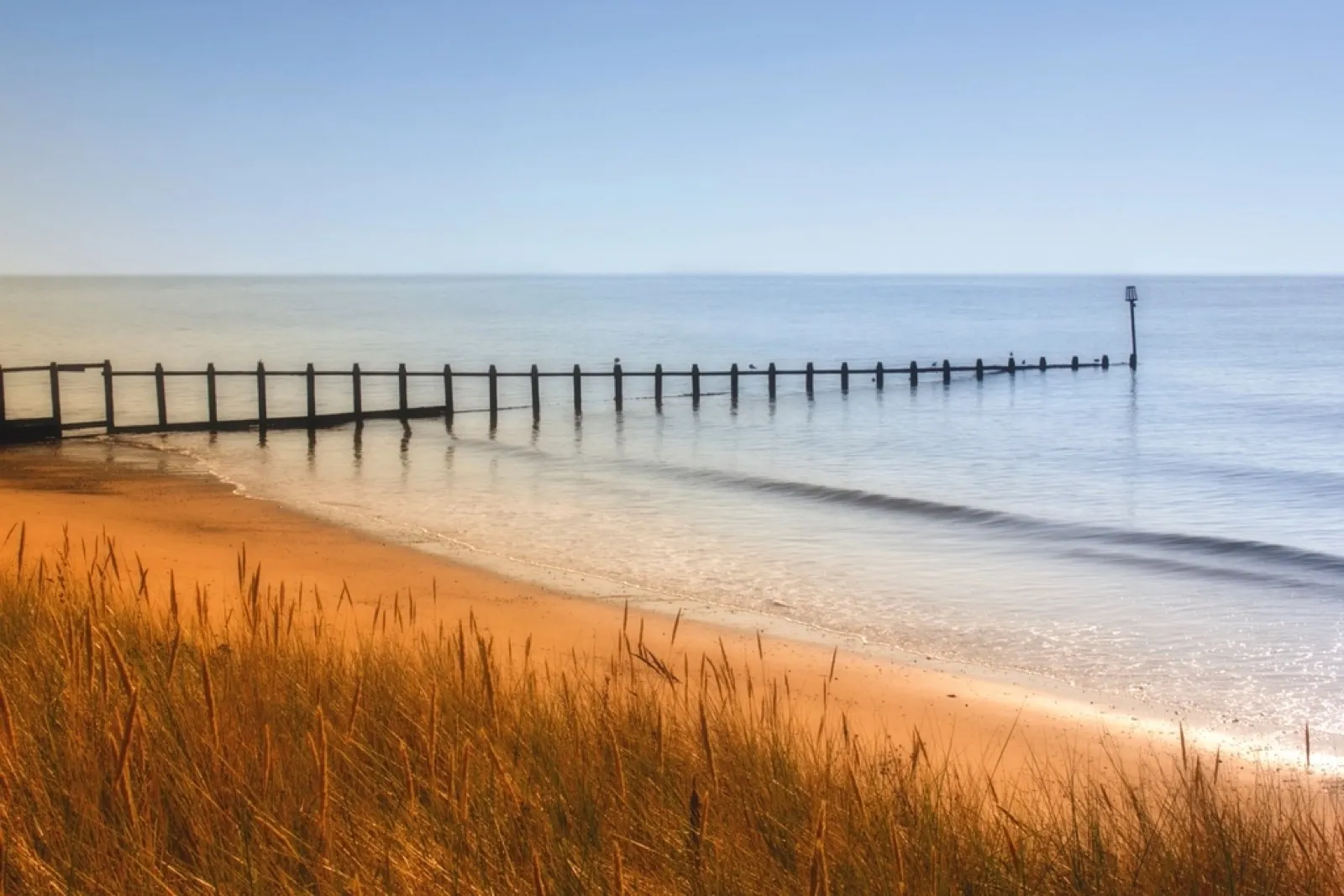
A newly emerged island in the Caspian Sea is drawing attention to a decline in water levels that has continued for decades, Euronews reported. For areas in the north, scientists see a risk of severe retreat comparable to the transformation of the Aral Sea.
The region faces growing strain from a changing climate as well as the demands people place on its water resources. The island is a visible feature of a larger environmental change, rather than evidence that the process began only recently.
The Caspian is an enclosed inland body of water. Its level is influenced by the balance between water arriving through rivers and precipitation and water lost through evaporation. Changes to that balance can alter shorelines across a wide area.
Where the bed is shallow, a fall in water level can expose ground that was previously submerged. Such changes can affect the relationship between land and water even without any new land being created by geological activity.
The comparison with the Aral Sea is a warning about a possible future for parts of the Caspian, not a statement that the two places have already experienced identical outcomes. The Aral Sea’s retreat is a well-established example of how severe water loss can transform an inland environment.
Euronews’s report brings the longer trend into focus through the appearance of the island. The wider issue is the pressure on the region’s water balance and the consequences if the decline continues. The scientists’ warning applies particularly to the northern Caspian, rather than predicting one uniform outcome for the entire sea.