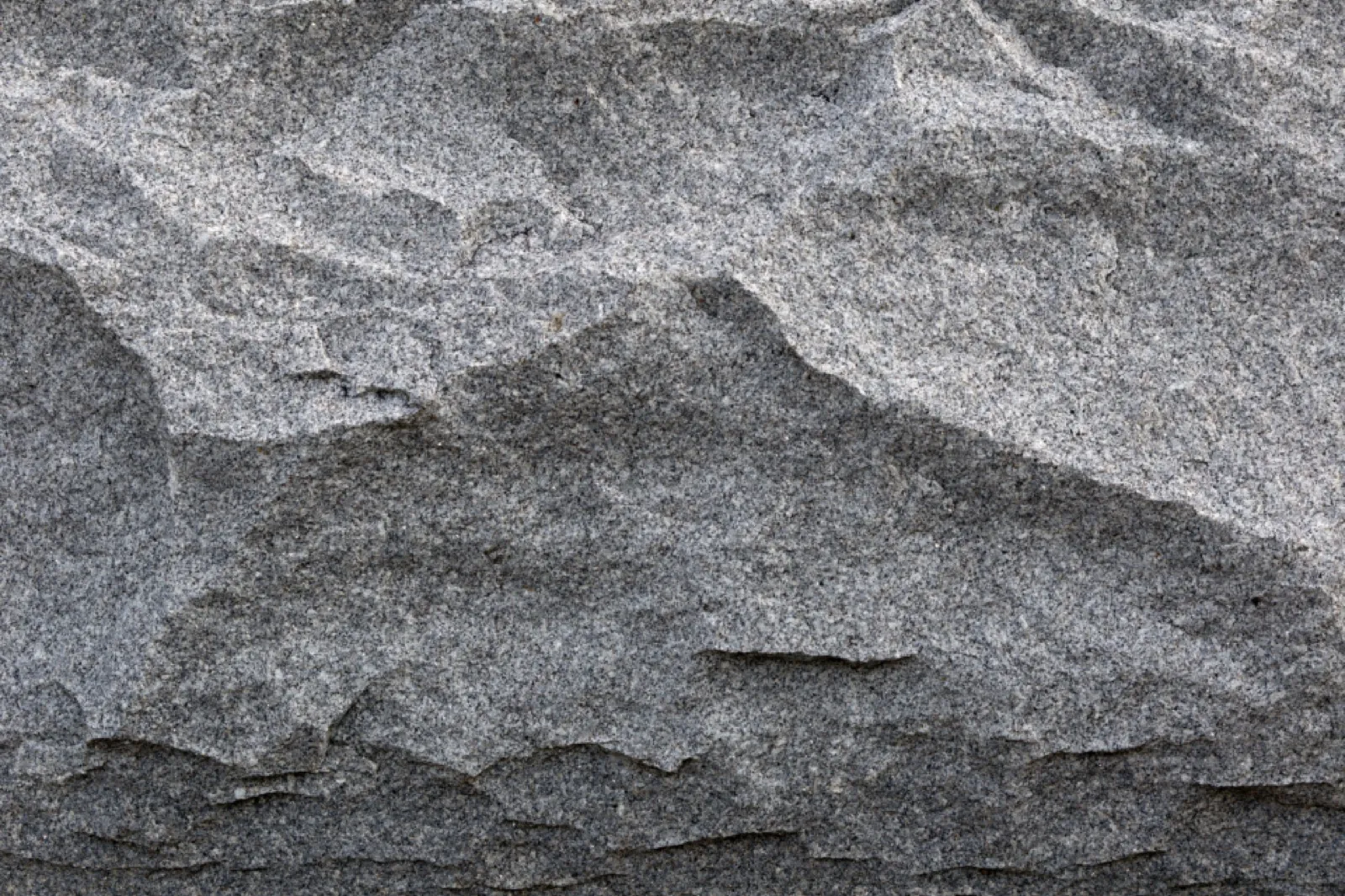
NASA is turning to ancient rocks in the Scottish Highlands as part of its search for life on Mars, the BBC reported. The US space agency says formations at Clachtoll have similarities to rocks on the Red Planet.
The connection makes the Scottish site a terrestrial reference point for studying another world. Researchers can examine rocks on Earth directly, using their features to think about the processes that may have shaped comparable formations elsewhere.
This kind of comparison does not require two environments to be identical. Its value lies in identifying relevant similarities while recognising the differences between a planet with Earth’s history and one with the history of Mars.
Geology is important to the search for past life because rocks preserve evidence of the conditions in which they formed. Understanding those conditions helps scientists frame questions about whether an environment could have been suitable for living organisms.
A resemblance between rocks is not evidence that life has been found on Mars. It provides a way to investigate geological questions and to interpret observations, with any claim about life requiring a different level of evidence.
Clachtoll’s role places a familiar research approach in a local setting: using accessible sites on Earth to improve understanding of less accessible places in space. The reported interest from NASA rests on the ancient rocks’ similarities to Martian formations. That makes the Scottish landscape part of a broader scientific effort to understand the Red Planet’s past.